Let’s Start a Food Forest
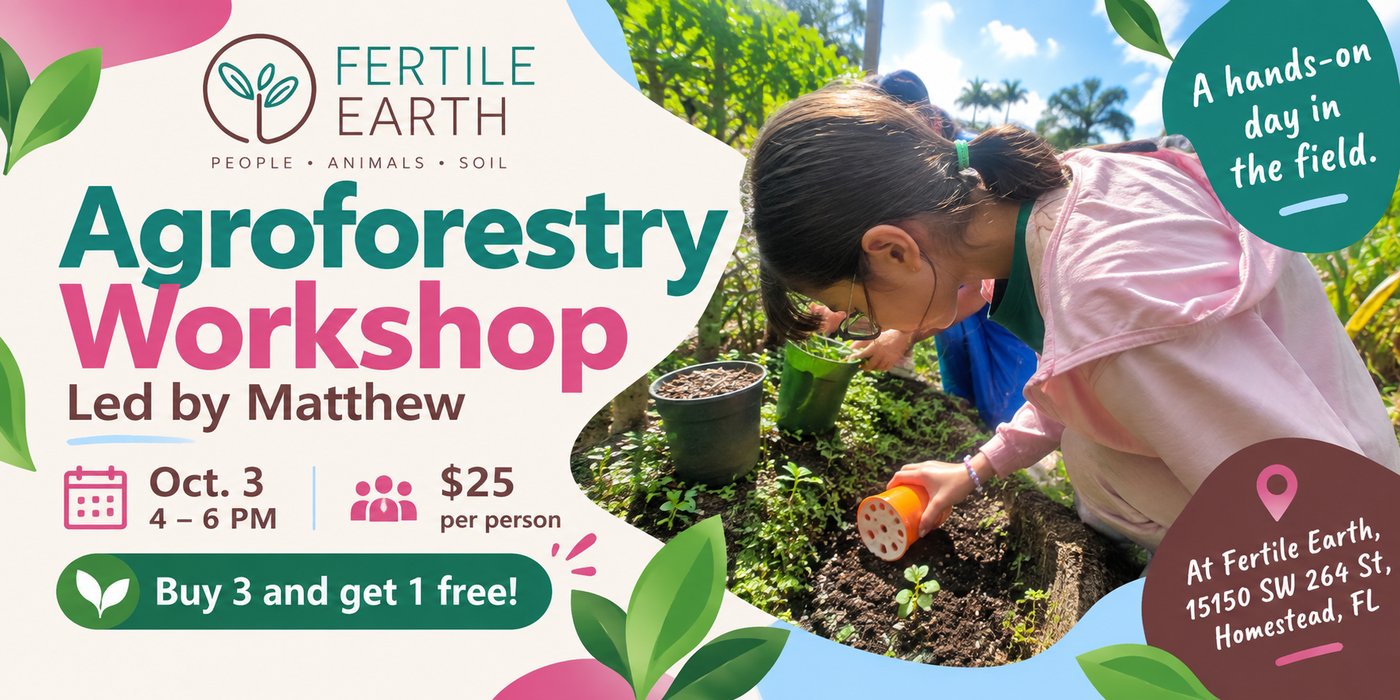
Agroforestry workshop at Fertile Earth
A hands-on day in the field: learn how forests grow, how to design layered plant systems, and how to start building your own food forest—from soil to canopy.
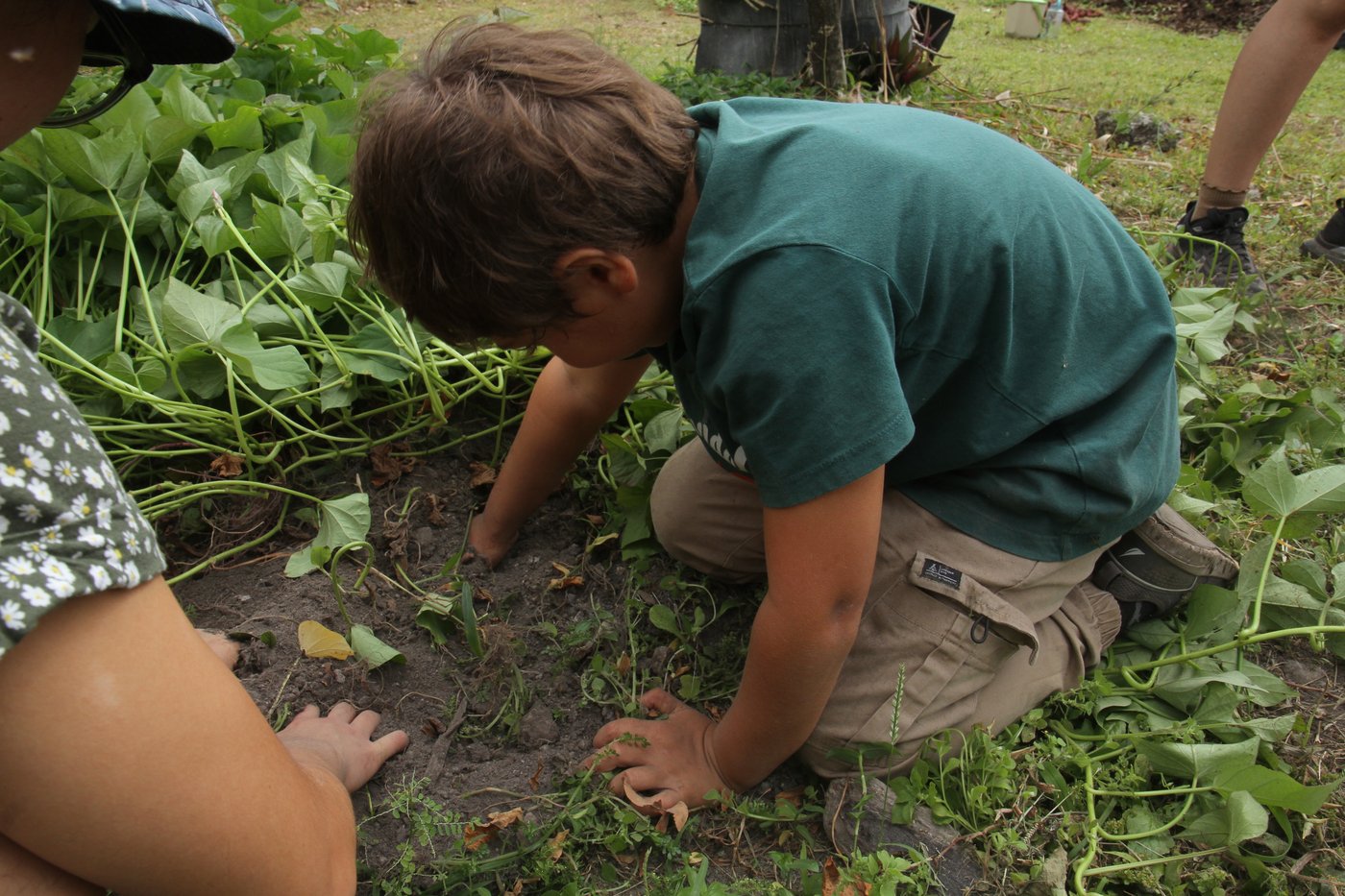
We’ll get our hands dirty throughout the workshop. Expect weeding, plant ID, and picking as we go.
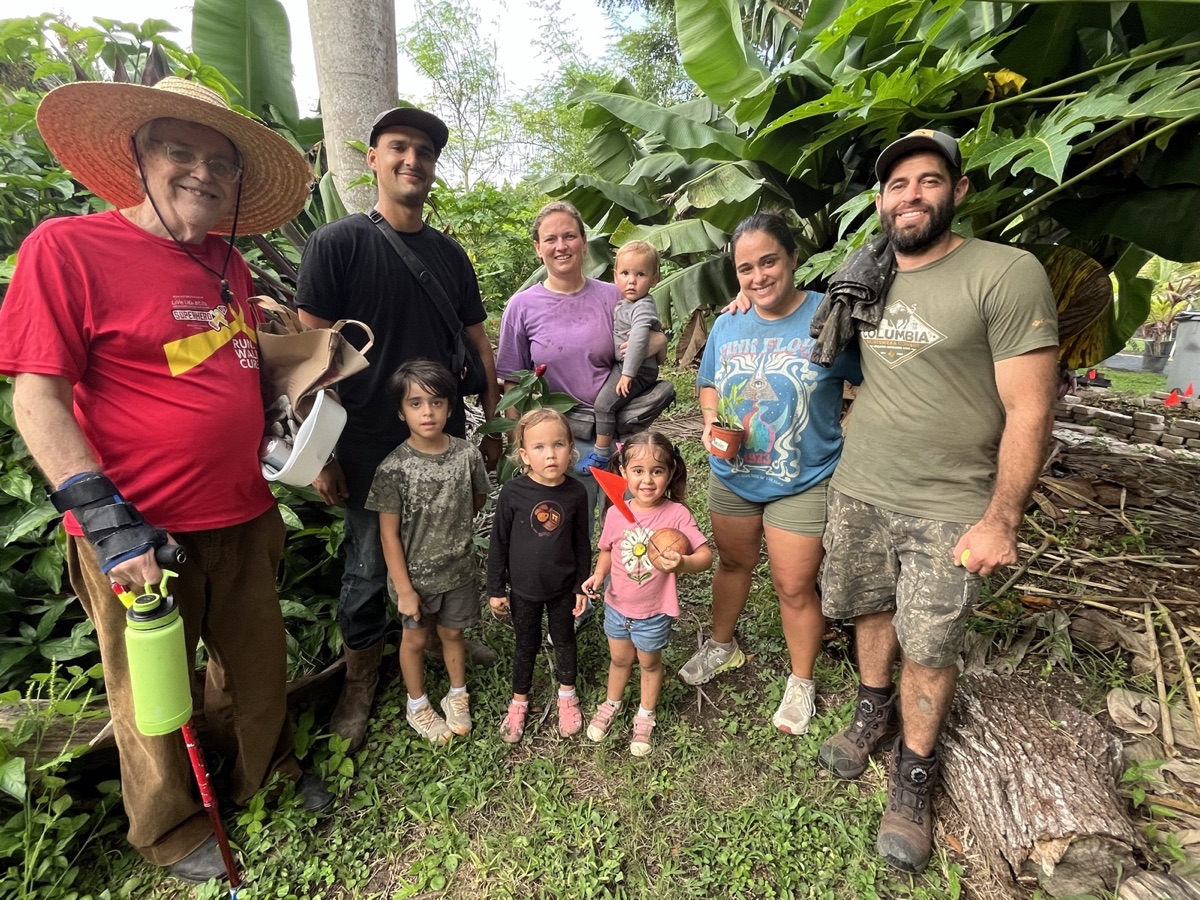
1. Intro
Quick introduction: why are we here?
We’ll start with a gauge of everyone’s plant proficiency—no wrong answers, just a sense of where the group is starting from.
Then we get into the work. Let’s get our hands dirty quick—we’ll be weeding all throughout the day, not just at the end.
Plant ID & pick
Learn to I.D. what’s growing around you, and pick as we work. Identification and harvest go hand in hand in a food forest.
2. What is a forest?
How it grows, and why.
The cycle of a plant’s life
- A seed falls on leaves—the leaf litter is a nutrient sink, catching and holding fertility.
- Dark, humid, dappled light from the mother tree creates the conditions seedlings need.
- Soil layers stack from the surface down: soft leaves, compost, soil, mineral, water.
- Growing next to many of its kind, the stronger ones survive and thrive.
- Saplings stretch toward the light—and when a big tree falls, new space opens for the next generation.
3. Agroforest principles
- Soil networks — roots, fungi, and microbes connect the whole system. Feed the network, not just individual plants.
- Pioneer plants — “Grow what grows.” Let fast, tough species lead while slower perennials establish.
- Chop and drop — Don’t import nutrition or amendments when you can recycle biomass on site.
- Keep the ground covered — Bare soil is lost soil. Leaves, mulch, and living ground covers protect it.
- Seed bomb plus lots of “stick growers” — Spread seed where it makes sense, and propagate from cuttings and sticks that root in place.
- Canopy control — Manage height and shade as the system matures. (More on this below.)
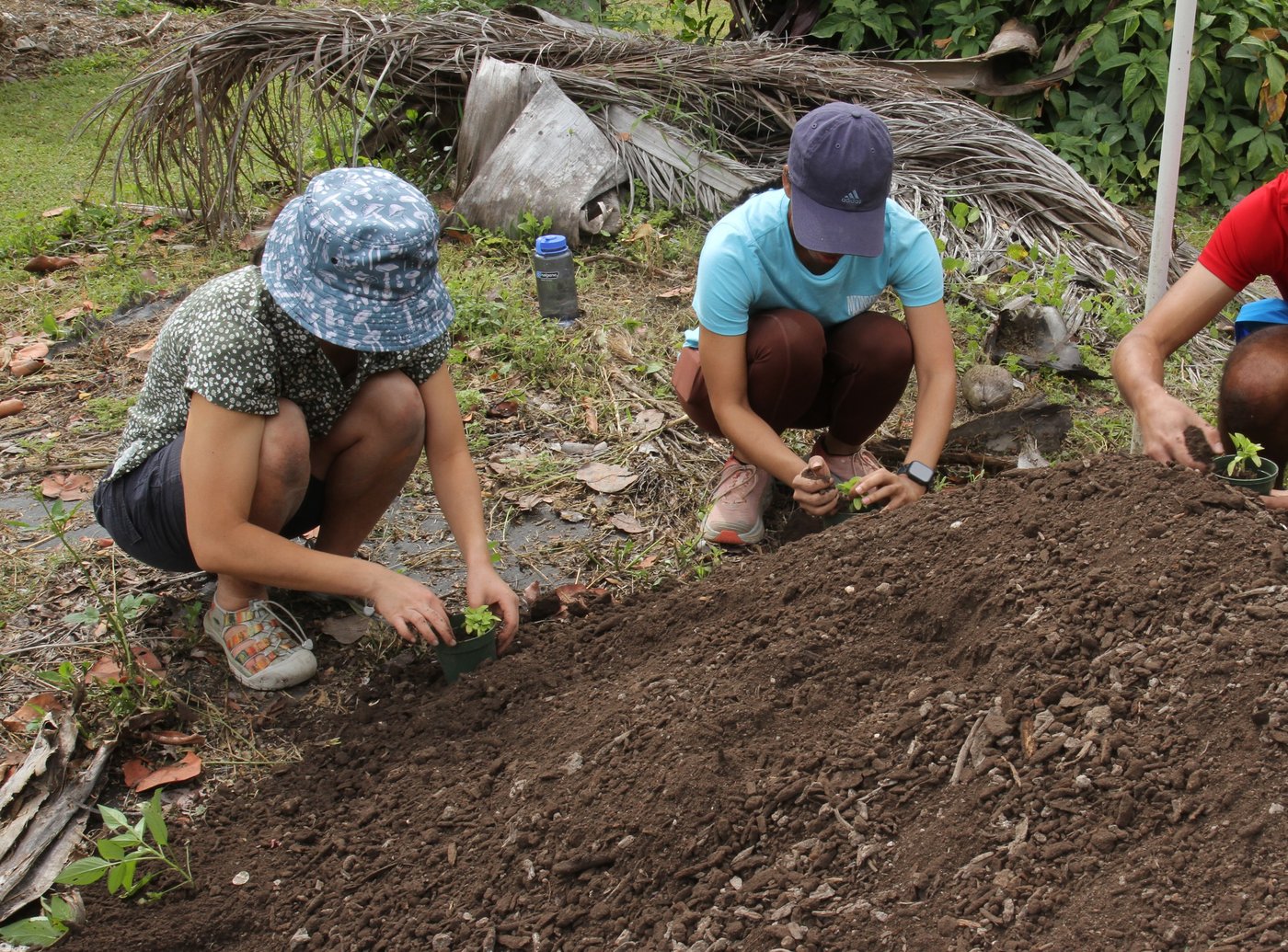
4. Trench: Konuko
A trench system that gives you a defined path with little to no weeding along it.
- Active compost / chop and drop in place — Build fertility right where you walk and work.
- Brown and green separate — Layer carbon-rich and nitrogen-rich materials deliberately.
- Water drainage, distribution, and storage — The trench moves and holds water through the landscape.
- Soil aeration — Air and biology get into the profile as the trench is built and maintained.
- Keeps systems (plots) separate — Clear edges between planting zones without hard barriers.
5. Orga-systems
Systems inside of larger systems—fields, ultimately. A food forest is organized in strata (layers), each with a job to do.
Why is there a…
- Canopy lead (overstory)
- Secondary layer
- Understory
- Bush layer
- Chop and drop plants
- Two ground covers
- Nitrogen fixers
These roles are not mutually exclusive, and they’re not necessarily in rows or banana circles. A single plant can serve more than one function; placement matters more than geometry.
How they interact overall
Think about plant placement: who shades whom, who feeds the soil, who fixes nitrogen for neighbors, and who you can chop without losing the structure of the forest.
6. Canopy control
Sun
- Growth — Light drives photosynthesis and fruit set.
- Protection — The right amount of shade protects tender plants and soil moisture.
Wind
- Pollination — Air movement helps many crops set fruit.
- Storm and cold protection — A managed canopy buffers wind, reducing damage and microclimate extremes.
7. Selection
Thin out—leave only the healthiest.
Better fruit, bigger fruit, better seed, better plant. Selection is ongoing: the forest teaches you what wants to be there.
8. Outro
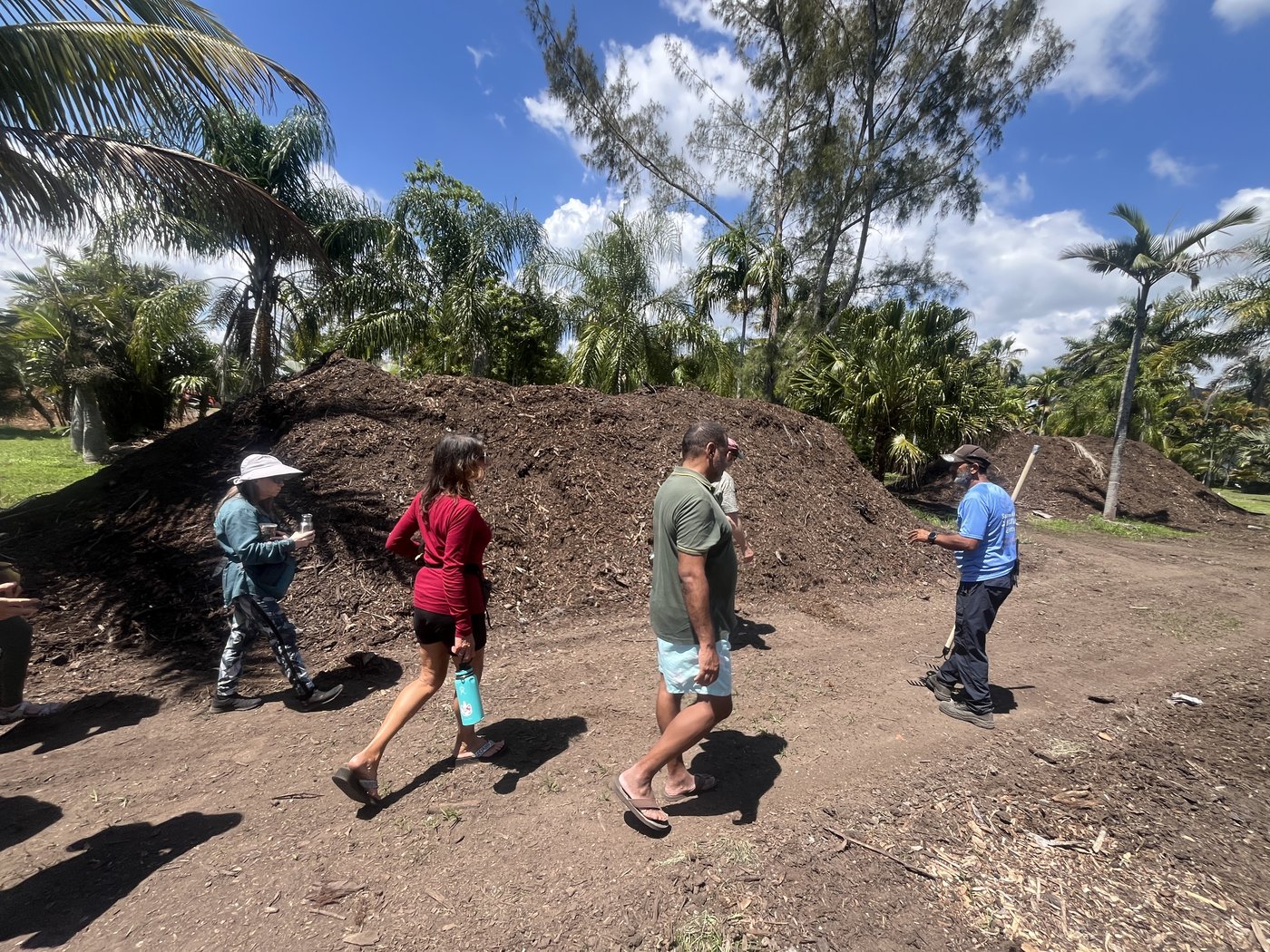
Some foraging—feel free to take stuff home.
Ready to build your own food forest? Start with what you learned today: cover the ground, layer your plants, chop and drop, and let the system grow.